 PawCare AI Blog← Back to app site
Pet care
The Ultimate Vet Visit Checklist: What to Bring and What to Ask
Never scramble before an appointment again. A complete pre-vet checklist covering documents, questions, and what to track before and after every visit.
You’re in the waiting room. The vet tech calls you in, and the first question is, “When was her last booster?” You blank. You know it was sometime last year - spring, maybe? - but the exact date is somewhere in a drawer at home, if it exists at all.
Every pet owner has been here. The good news: a little prep before the appointment turns a rushed, half-remembered visit into one where you actually get the most out of your vet’s time.
What to bring
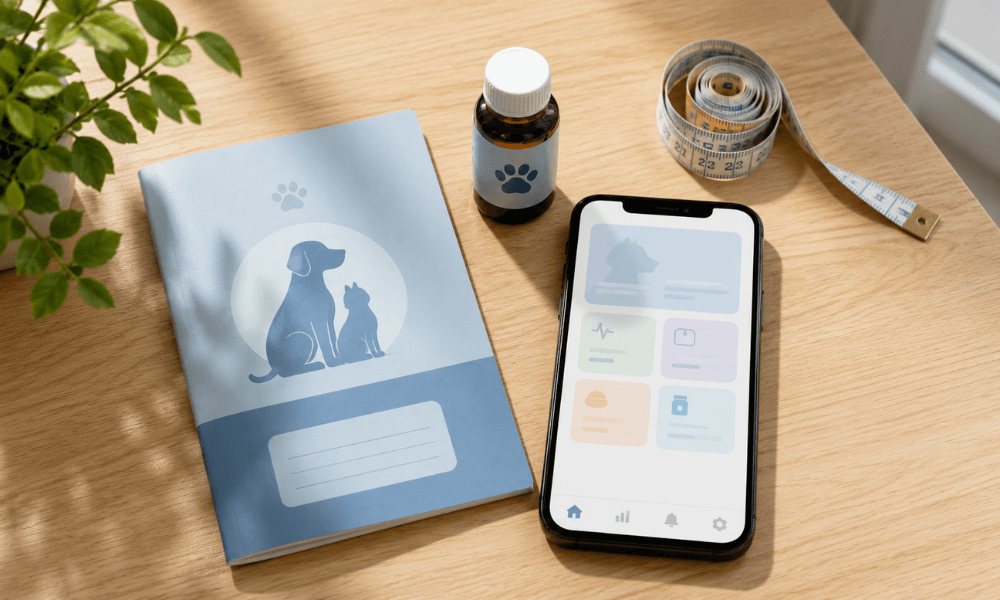
Most vet visits go smoother when you show up with these five things ready:
- Vaccine history - dates and types, not just “she’s up to date”
- Current medications and supplements - including dosage and frequency
- A weight log - even a rough one; sudden weight change is one of The first things vets check
- A list of any new symptoms - written down, since it’s easy to forget details under time pressure
- Insurance card or account info, if applicable
If you’re switching vets or seeing a specialist for the first time, add your pet’s full medical history to that list - past surgeries, chronic conditions, allergies.
Questions worth asking (that most people forget)
A vet visit isn’t just for your pet to be examined - it’s your chance to ask things that are easy to forget once you’re back in the car:
- “Is this within a normal weight range for her age and breed?”
- “Are there any early signs of [breed-specific condition] I should watch for?”
- “Is this medication safe alongside anything else she’s currently taking?”
- “What would actually count as an emergency for this specific issue?”
That last one matters more than people realize - “call us if it gets worse” isn’t specific enough to act on at 11pm on a Saturday.
After the visit, don’t let the details evaporate
The appointment ends, you’re handed a printed summary, or nothing at all, and within a week, most of what was said is fuzzy. A few habits. Fix this:
- Write down (or photograph) any new diagnosis or medication immediately, in the car, if you have to
- Note the next recommended check-in date somewhere you’ll actually see it
- If a new medication was prescribed, log the start date - useful for tracking side effects or effectiveness later
This is exactly the gap PawCare AI was built to close - logging a vet visit, its notes, and any new medications takes under a minute, and everything’s there automatically at the next appointment instead of buried in a mental fog.
The bottom line
A five-minute prep before you leave the house is the difference between a vet visit where you’re reacting to questions and one where you’re actually partnering with your vet on your pet’s care. Bring the history, ask the follow-up questions, and write down what happens. After - your future self (and your pet) will thank you.